Whether you’re a startup, a growing enterprise, or an established company, our range of business loan services is designed to provide you with the financial support you need to achieve your goals.
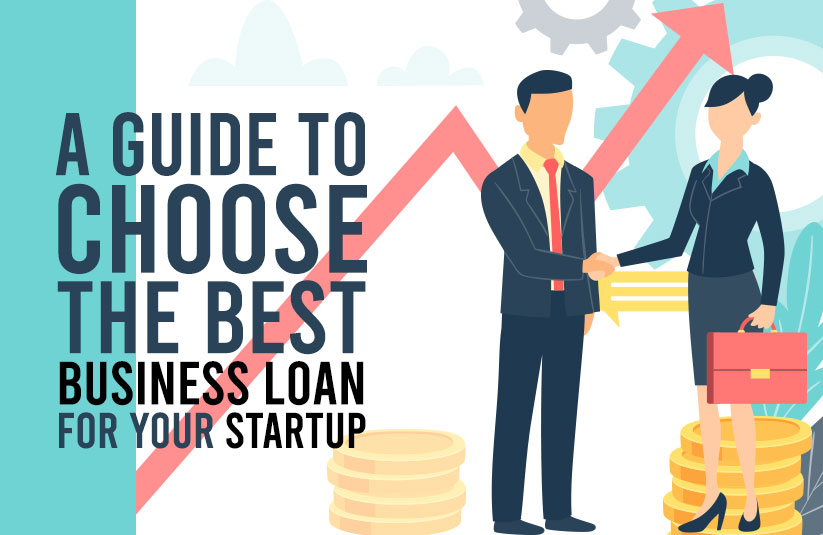
Smart Financing Solutions for Your Business Journey
At LOAN MARSHAL , we understand that securing the right financing is crucial to fueling your business’s success. Whether you’re a startup, a growing enterprise, or an established company, our range of business loan services is designed to provide you with the financial support you need to achieve your goals. Ready to explore your financing options? Contact us or apply online to discover how LOAN MARSHAL can support your business’s growth and success. With our comprehensive loan services and dedicated support, we’re here to help you achieve your business goals.
In India, businesses can access a variety of loan types to support their operations, growth, and investment needs. Here’s an overview of the key types of business loans available in India:
Term Loans
Term loans are long-term loans provided for a specific period, usually ranging from 1 to 5 years or more. They are used for major capital expenditures like purchasing equipment, expanding facilities, or funding large projects. The borrower repays the loan through regular monthly installments.
Pros:
- Fixed repayment schedule
- Suitable for large investments
Cons:
- Requires collateral
- Interest rates may vary based on the term and lender
Working Capital Loans
Working capital loans are designed to cover short-term operational expenses such as payroll, inventory, and day-to-day expenses. These loans help businesses manage cash flow and bridge gaps between receivables and payables.
Pros:
- Helps manage cash flow
- Shorter repayment period
Cons:
- Higher interest rates compared to term loans
- May require frequent renewals
Overdraft Facility
An overdraft facility allows businesses to withdraw more money than what is available in their bank account, up to an approved limit. This facility is useful for managing short-term liquidity needs and handling unexpected expenses.
Pros:
- Flexible access to funds
- Interest is only paid on the amount used
Cons:
- Higher interest rates
- Potential for penalty charges if the limit is exceeded
Line of Credit
A line of credit provides businesses with access to a predetermined amount of credit that can be drawn upon as needed. It is similar to an overdraft facility but usually offers a higher credit limit and more flexibility.
Pros:
- Flexible borrowing
- Interest is paid only on the drawn amount
Cons:
- Can be expensive if not managed properly
- May require a good credit score
Invoice Financing
Invoice financing allows businesses to borrow money against their outstanding invoices. This helps improve cash flow by providing immediate funds instead of waiting for customers to pay.
Pros:
- Quick access to cash
- No need for additional collateral
Cons:
- Fees and interest rates can be high
- Invoice factoring involves disclosing the arrangement to clients
Equipment Financing
Equipment financing is used to purchase or lease machinery, vehicles, or other equipment. The equipment itself often serves as collateral for the loan.
Pros:
- Equipment serves as collateral
- Helps preserve working capital
Cons:
- Interest rates may be higher
- Equipment may become outdated
Real Estate Loans
Real estate loans are used to purchase, refinance, or develop commercial properties. These loans are typically long-term and secured by the property itself.
Pros:
- Long-term financing options
- Potential for property appreciation
Cons:
- Requires property appraisal and significant documentation
- Property serves as collateral
Business Credit Cards
Business credit cards provide a revolving line of credit that can be used for everyday expenses or larger purchases. They often come with rewards or cash back benefits.
Pros:
- Convenient access to credit
- Potential rewards and benefits
Cons:
- Higher interest rates
- Can lead to overspending if not managed carefully
Microloans
Microloans are small loans typically offered to startups or small businesses that may not qualify for traditional loans. They are often provided by non-profit organizations or specialized lenders.
Pros:
- Accessible to small and new businesses
- Less stringent qualification requirements
Cons:
- Smaller loan amounts
- Higher interest rates compared to larger loans
Government Schemes and Subsidies
The Indian government offers various schemes and subsidies to support small and medium enterprises (SMEs) and startups. Programs such as the Pradhan Mantri Mudra Yojana (PMMY), Credit Guarantee Fund Trust for Micro and Small Enterprises (CGTMSE), and Stand-Up India provide financial assistance with favorable terms.
Pros:
- Lower interest rates
- Government backing can reduce risk for lenders
Cons:
- Application processes can be lengthy
- May have specific eligibility criteria
Each type of business loan in India has its own set of features, benefits, and requirements. It’s important for businesses to assess their specific needs, financial situation, and growth plans to choose the most suitable loan type.
Have problems related to any of our product contact us and get updated